A ten year old girl walks two kilometres along a dusty village road to reach her school. Her mother works as a daily wage labourer in nearby farms. Her father takes up seasonal work to support the family. Their small home sits near wetlands where migratory birds stop.
That girl’s education, or the absence of it, will decide whether she breaks the cycle of poverty or repeats her parents’ struggles for another generation.
People understand that education matters. What they miss is how underprivileged child education connects to everything – health, environment, community strength, even those wetlands the migratory birds need.
This is what truly begins to change when children from underprivileged communities receive an education. It shapes their future and the future of the places they live.
The Reality of Underprivileged Child Education in India
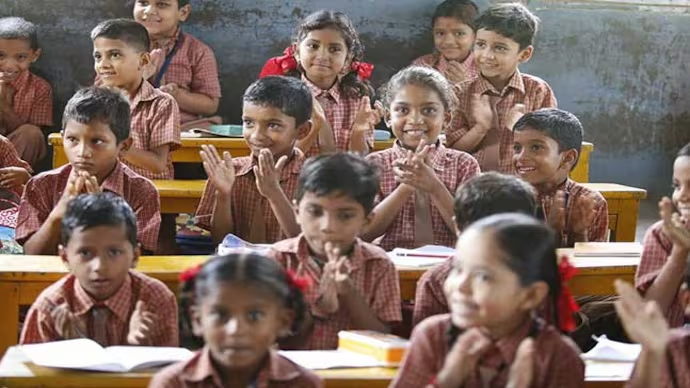
Close to 250 million children in India come from economically disadvantaged backgrounds. Kids walking past schools to help their families in fields or small village shops. Girls never learn to read because they watch siblings at home. Families where education seems like a luxury when survival takes everything.
Barriers aren’t just money. Malnutrition kills concentration – it is hard focusing when hungry. Long distances to schools make regular attendance difficult, especially for girls. Parents who never attended school often struggle to understand why children should. The cycle keeps going.
Rural communities near wetlands often face these challenges deeply. Children grow up near wetlands that provide clean water, flood control, and ecosystem support for nearby villages. Without education, they may never fully understand why wetlands matter or how protecting them improves their lives.
Why Communities Protecting Biodiversity Need Education?
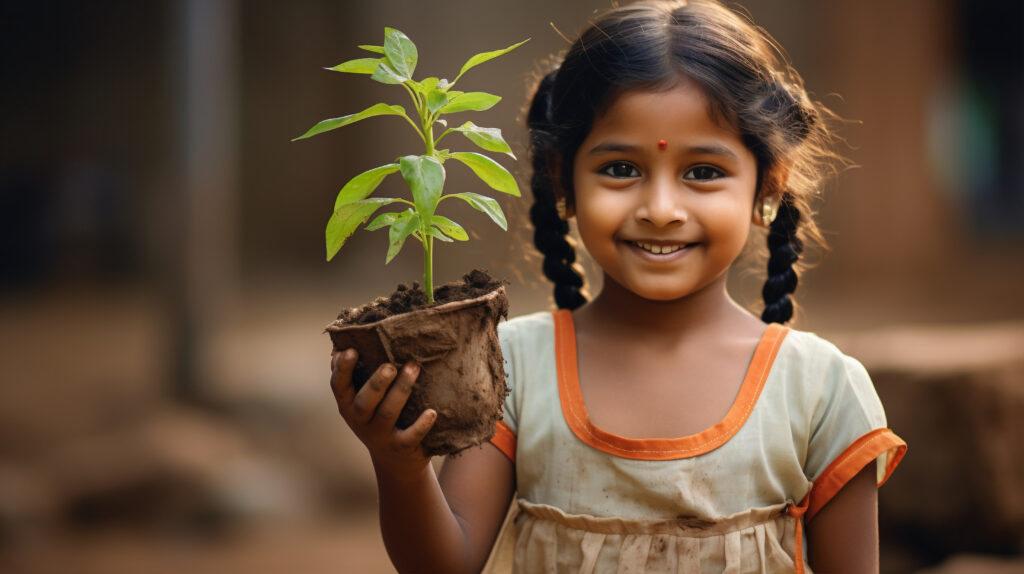
Sounds disconnected, right? What does underprivileged child education have to do with wetlands and birds? In reality, everything.
Communities around unprotected bird habitats are the real custodians. Conservationists study birds all day, but the family beside the wetland decides whether to dump garbage or protect it. A child playing near a marsh either learns to value biodiversity or grows up seeing useless land.
Wetlands reduce flood risks. Purify water. Support fish providing protein. Enable agriculture in dry seasons. But when struggling to feed a family today, wetland conservation for tomorrow doesn’t happen naturally.
Education changes this. Kids learning science understand birds control crop pests. See wetland plants prevent monsoon erosion. Grasp connection between healthy ecosystems and family wellbeing.
More importantly, Education for Underprivileged Children in India including environmental awareness creates the next generation of habitat protectors. Children planting mangroves feel ownership. Kids tracking bird sightings develop neighborhood pride. Become stewards instead of spectators. And it is not only theory but an observable reality where environmental education combines with literacy and numeracy.
What Empower Trust Actually Does?
Empower Trust started in 2022 with a simple but powerful idea: communities thrive when they have education, health, livelihoods, and environmental connection. Together, not piece by piece.
Registered with 12A and 80G tax benefits and CSR certification (CSR00101346), Empower Trust works specifically with rural communities near unprotected bird habitats in regions surrounding Delhi NCR.
The approach is different. Most NGOs are either education or conservation. Empower Trust saw these as inseparable. You cannot ask families to protect wetlands when they are worried about feeding their children. You cannot provide quality underprivileged child education without addressing malnutrition and unsafe environments.
Ground reality:
- Free education covering reading, writing, math, science – plus wetland ecology. Kids learn English grammar while studying bird migration. Science lessons happen in actual wetlands, not just textbooks.
- Health camps address malnutrition, illnesses, and vaccinations. Healthy children learn better. Straightforward.
- Skill training for parents includes eco-tourism, habitat maintenance, and sustainable crafts. When families have income, children stay in school instead of working.
- Children participate in cleanups, tree planting, and bird monitoring. Not just learning conservation – doing it.
Empower Trust also partners with Delhi Bird Photographers, a 10,000-strong community founded in 2014 by Mathew Joseph. Bird enthusiasts lead walks, volunteer for habitat protection, and mentor children. This partnership bridges urban bird lovers with rural communities living near important bird habitats.
The Bigger Vision: 100 Unprotected Habitats by 2028
Empower Trust functions as Secretariat for the Birds & Habitats Conservation Alliance, a network spanning NGOs, academic institutions, corporates, and birding groups across India.
Our goal is to reach 100 unprotected important birding areas by 2028. At each location, the same holistic model applies – education, health, livelihoods, and conservation. The aim is to build community resilience while protecting biodiversity.
India has countless unprotected wetlands, grasslands, and forests critical for birds but lacking official conservation status. Communities living near these ecosystems need support to become effective stewards.
The work recognizes something conservation often misses: people protect what they understand and value. Education creates understanding. Improved living conditions create the capacity to act on that understanding.
Real Stories Showing What’s Possible
Numbers matter – 500+ children yearly, 90% retention, documented literacy improvements. Ravi used to spend his days helping with small daily wage tasks around his village before Empower Trust opened a learning center nearby. Ten years old, he had never attended school. Six months later, he was reading basic Hindi and identifying twenty bird species by sight. Today he teaches younger children about wetland plants and why they matter.
Sisters Priya and Maya received health support for chronic anemia that kept them weak and unable to focus. With nutrition supplements and regular meals at the learning center, their concentration improved. They later learned tailoring and now earn income making eco-bags sold locally. Their mother says it is the first time she has felt hope about her daughters’ futures.
Transformations do not happen overnight. They happen through comprehensive support addressing multiple barriers at once. When you educate underprivileged communities while improving health, supporting livelihoods, and building environmental awareness, progress accelerates.
The emotional impact is undeniable. Visit a learning center and watch a child who could not write her name three months ago now reading stories to younger students. See communities that once ignored nearby wetlands now organizing cleanup drives. Witness the shift from resignation to possibility.
How This Protects the Unprotected?
“Protect the Unprotected” is not a tagline. It describes two realities Empower Trust addresses.
- Unprotected habitats – wetlands and bird areas lacking official conservation status. These ecosystems remain vulnerable to encroachment, pollution, and unsustainable development. When communities understand their value, they become advocates for their protection.
- Unprotected communities – families in rural areas without access to stable education, healthcare, or livelihood opportunities. With the right support, their trajectory changes.
The connection between protecting habitats and empowering communities is where real impact happens. A girl receiving education does not just lift herself out of poverty – she grows up valuing and protecting the environment around her. A boy learning about bird migration develops pride in the ecological importance of his community. Social and environmental change improve together.
Why Your Support Matters?
Starting an NGO focused on wetland communities in 2022 means building support step by step. Instead of decades of institutional funding, the work grows through CSR partnerships, individual donors, and volunteers who believe in strengthening both communities and the ecosystems they depend on.
Monthly support helps sustain programs that connect education, environment, and community wellbeing.
₹500 per month provides books, learning supplies, and environmental learning materials that help children understand and protect the wetlands around their homes.
₹2,000 per month supports holistic child development including education support, health assistance, nutrition, and skill building for children growing up in these communities.
₹10,000 per month helps run a community learning center that serves 20 to 30 children while also creating awareness about the local wetland ecosystem.
Corporate CSR partnerships expand this work further by supporting habitat conservation alongside community development. Organizations focused on environmental sustainability, education, and rural development often find that this model addresses multiple CSR goals together.
Volunteering is another powerful way to contribute. Lead a bird walk for children living near wetlands. Teach a practical skill. Share your profession with students who may have never met an engineer, designer, or accountant.
Financial transparency remains a priority. The organization holds 12A and 80G certifications and undergoes regular audits. Donations are tax deductible and every contribution is carefully accounted for.
What Happens Next?
The vision extends beyond Delhi NCR. Unprotected bird habitats exist across India – near villages, towns, and rural landscapes where communities depend closely on local ecosystems.
The model is replicable. The Birds & Habitats Conservation Alliance framework allows local NGOs, birding groups, and community organizations to implement similar programs adapted to regional needs.
By 2028, reaching 100 habitats means impacting tens of thousands of lives through education for underprivileged children integrated with conservation.
It demonstrates that social development and environmental conservation are not competing priorities – they are interdependent necessities.
Get Involved Today
Visit empower-trust.org to donate, volunteer, or partner. Follow the work through Delhi Bird Photographers’ photo stories showing transformed lives and protected habitats.
Attend a bird walk where bird enthusiasts and children explore wetlands together. Witness firsthand how education combined with environmental awareness creates something more powerful than either alone.
Share the story. Tag Empower Trust on social media. Introduce the organization to companies with CSR budgets. Every connection expands the reach to more habitats and communities.
The Ripple Effect
With quality education, health support, and a stable home where parents have sustainable livelihoods, a child’s path changes completely. A child does not drop out at twelve to work. The child completes school, possibly college, and lifts the entire family economically.
The child also grows up understanding that the wetland near home is not wasteland. It is an asset that protects the community from floods and provides ecosystem services worth protecting.
At Empower Trust, we believe investment in human potential and ecosystem resilience should happen together. This approach builds thriving communities, protected habitats, and empowered children who grow into responsible stewards.
Every donation, every volunteer hour, and every partnership adds another chapter to stories that begin with children who have very little and communities that struggle to protect what they have.
Your involvement can change what is possible. Start today.